Posted on: Mar 30, 2023
Posted on: Mar 9, 2023
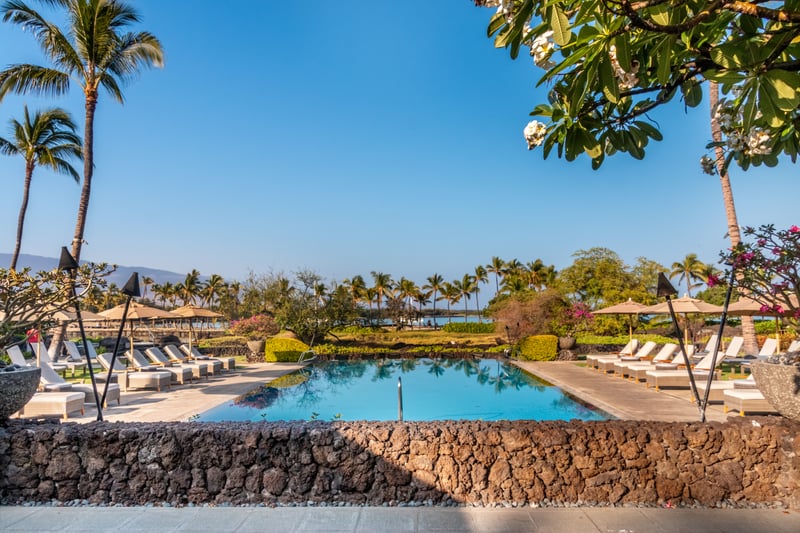
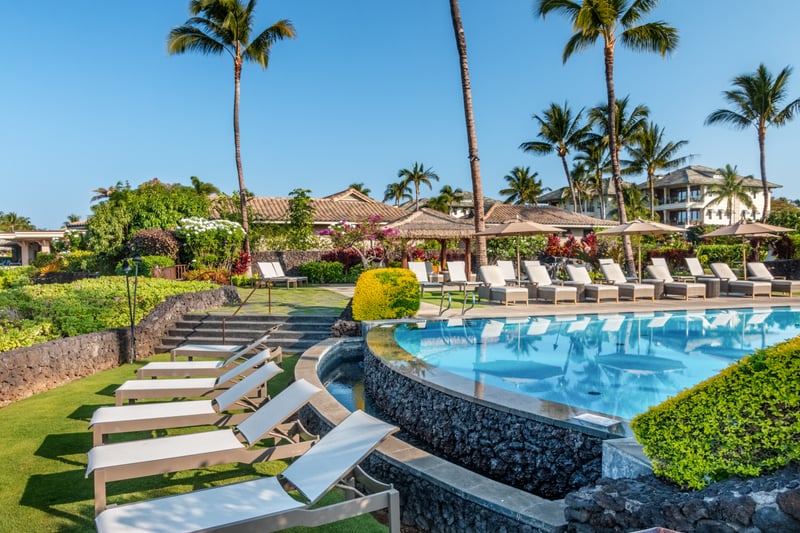
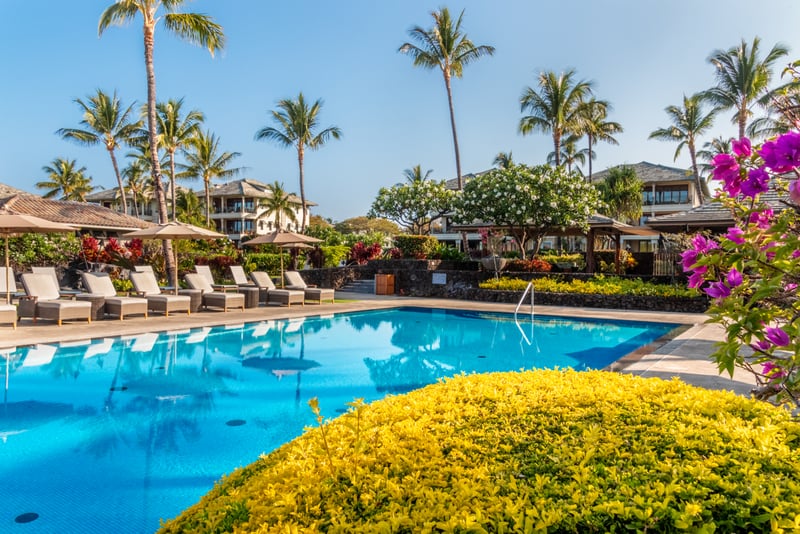
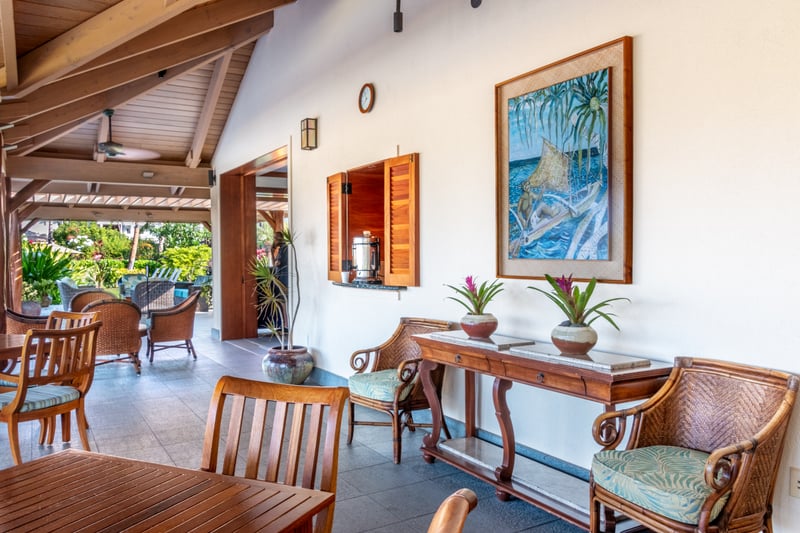
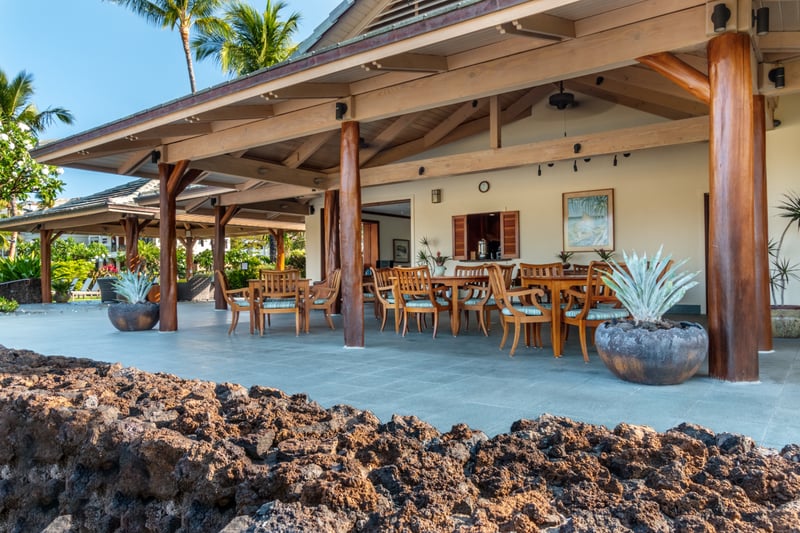
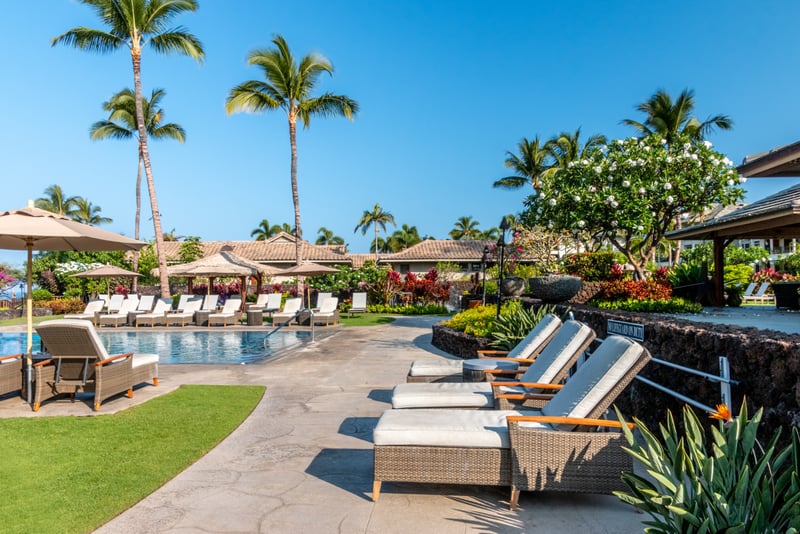
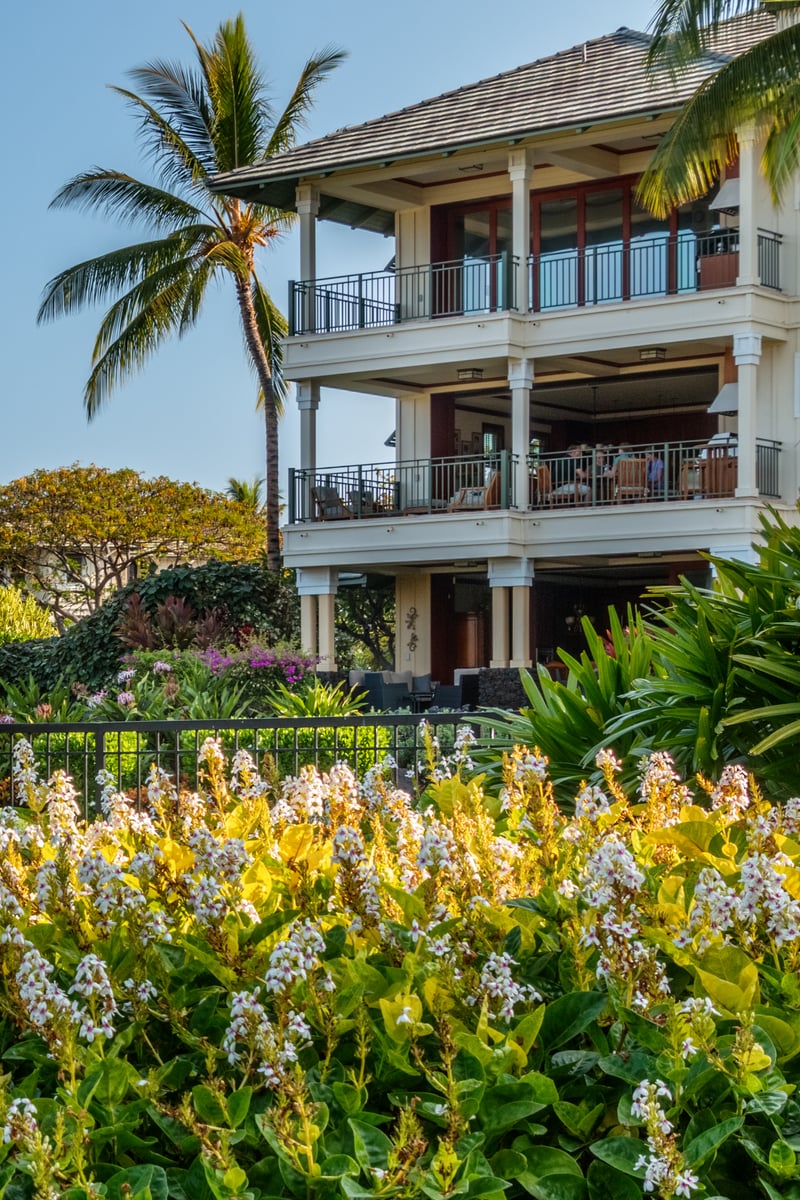
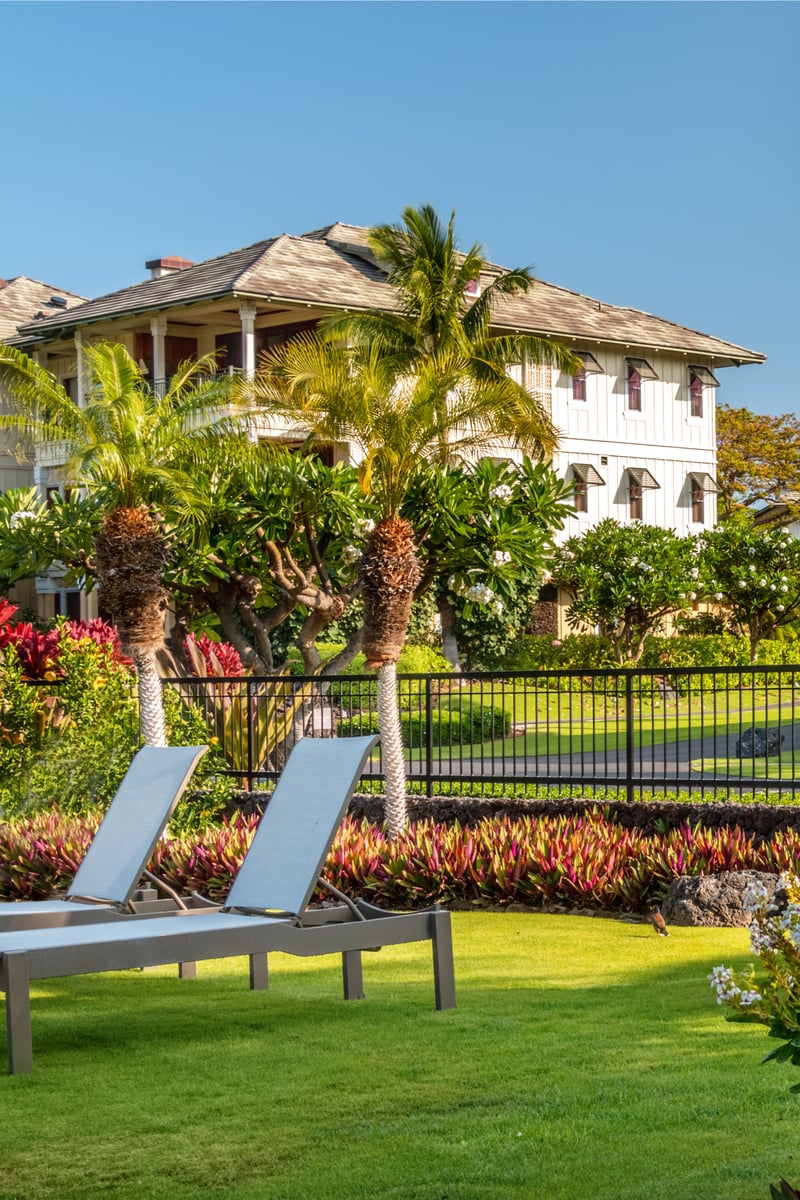
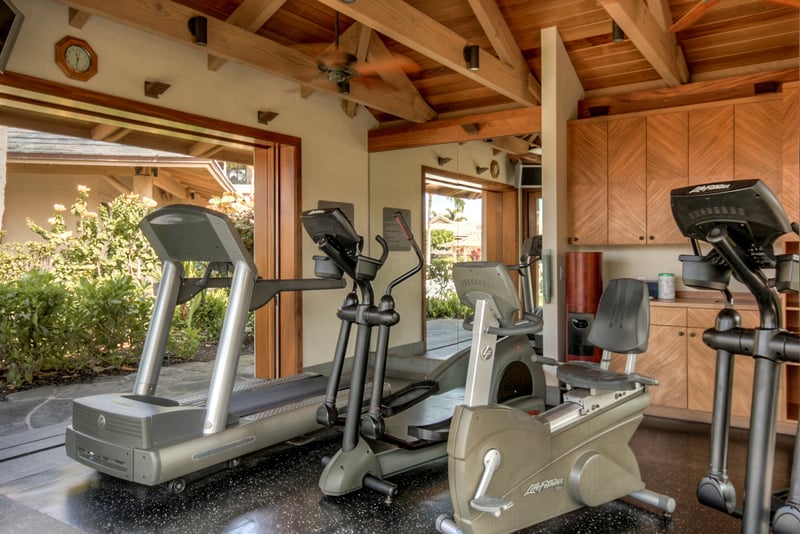
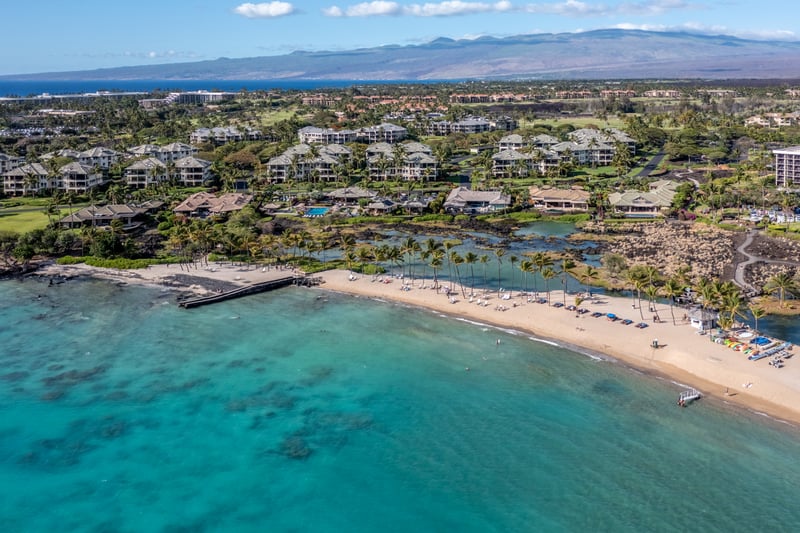
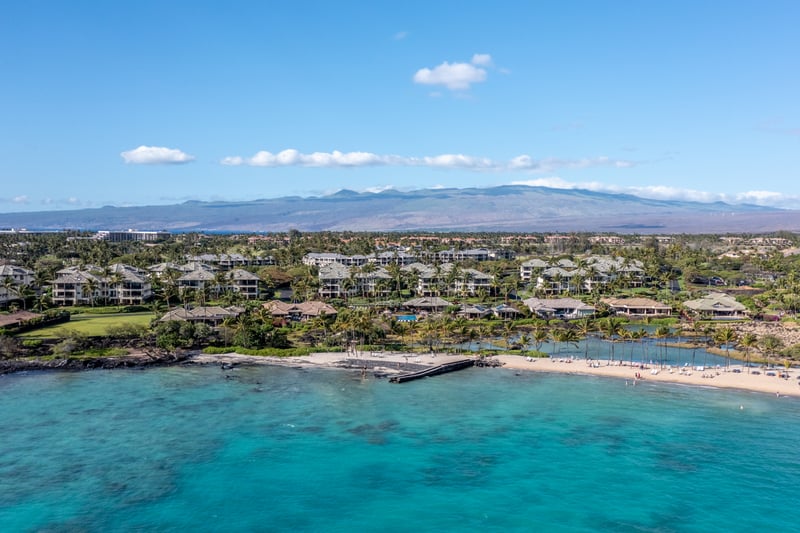
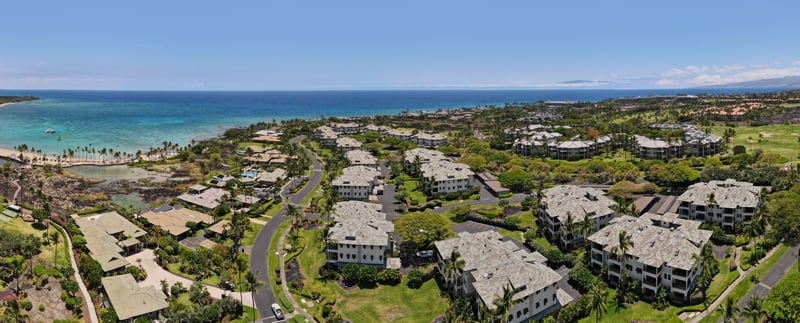
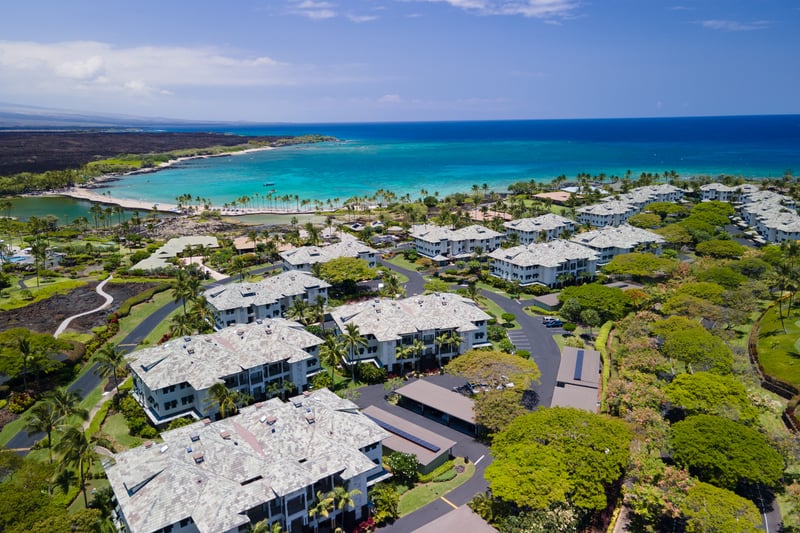
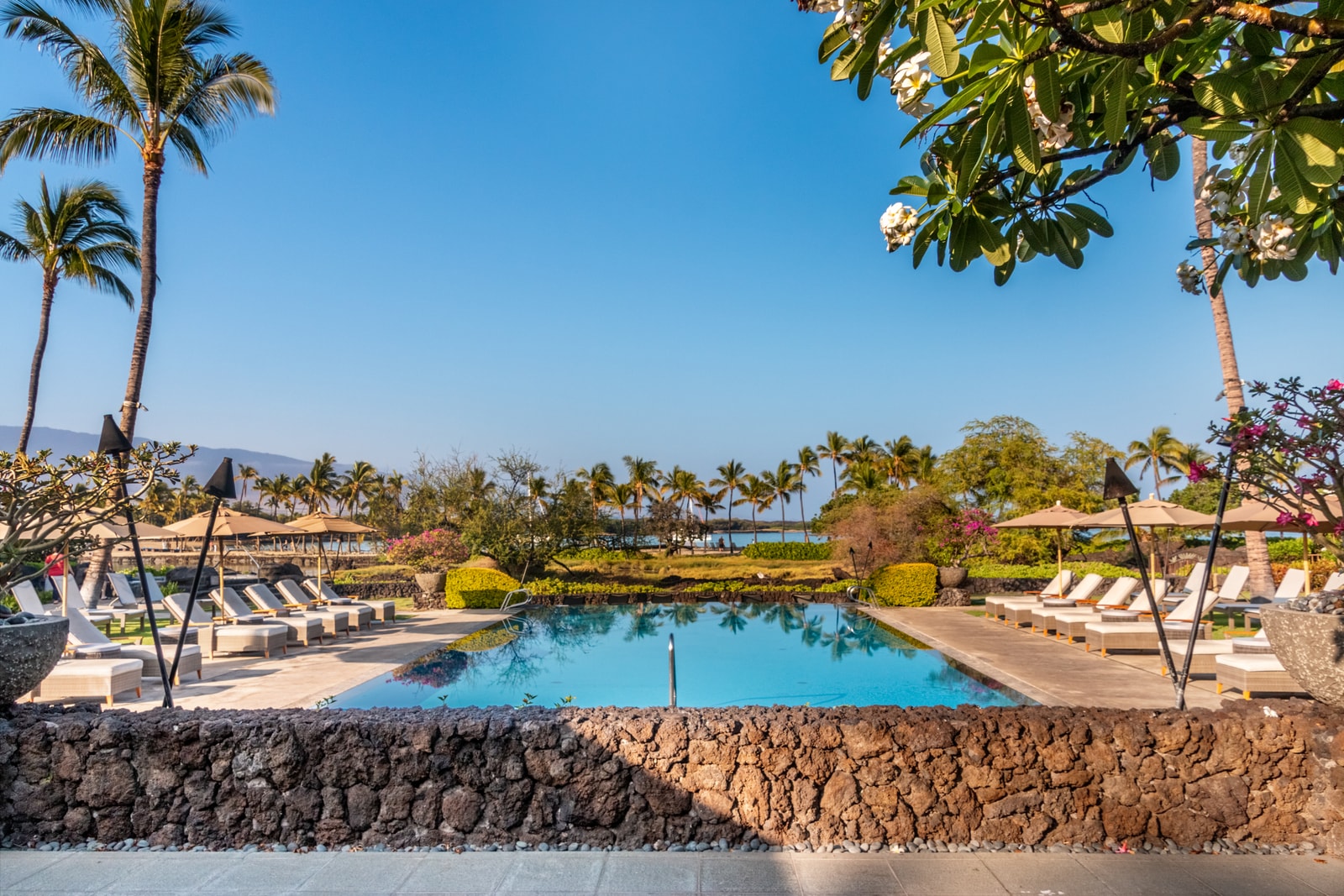
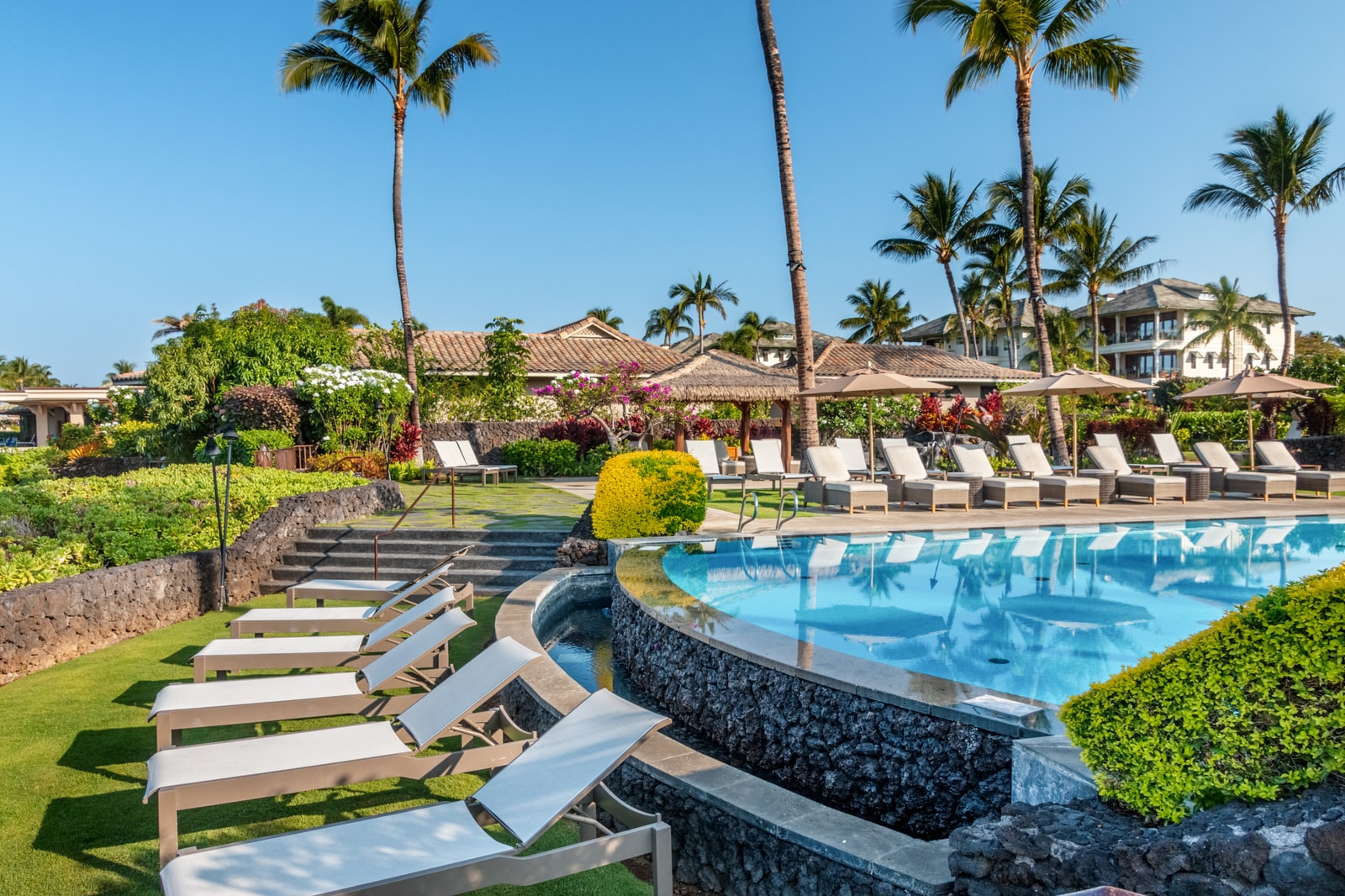
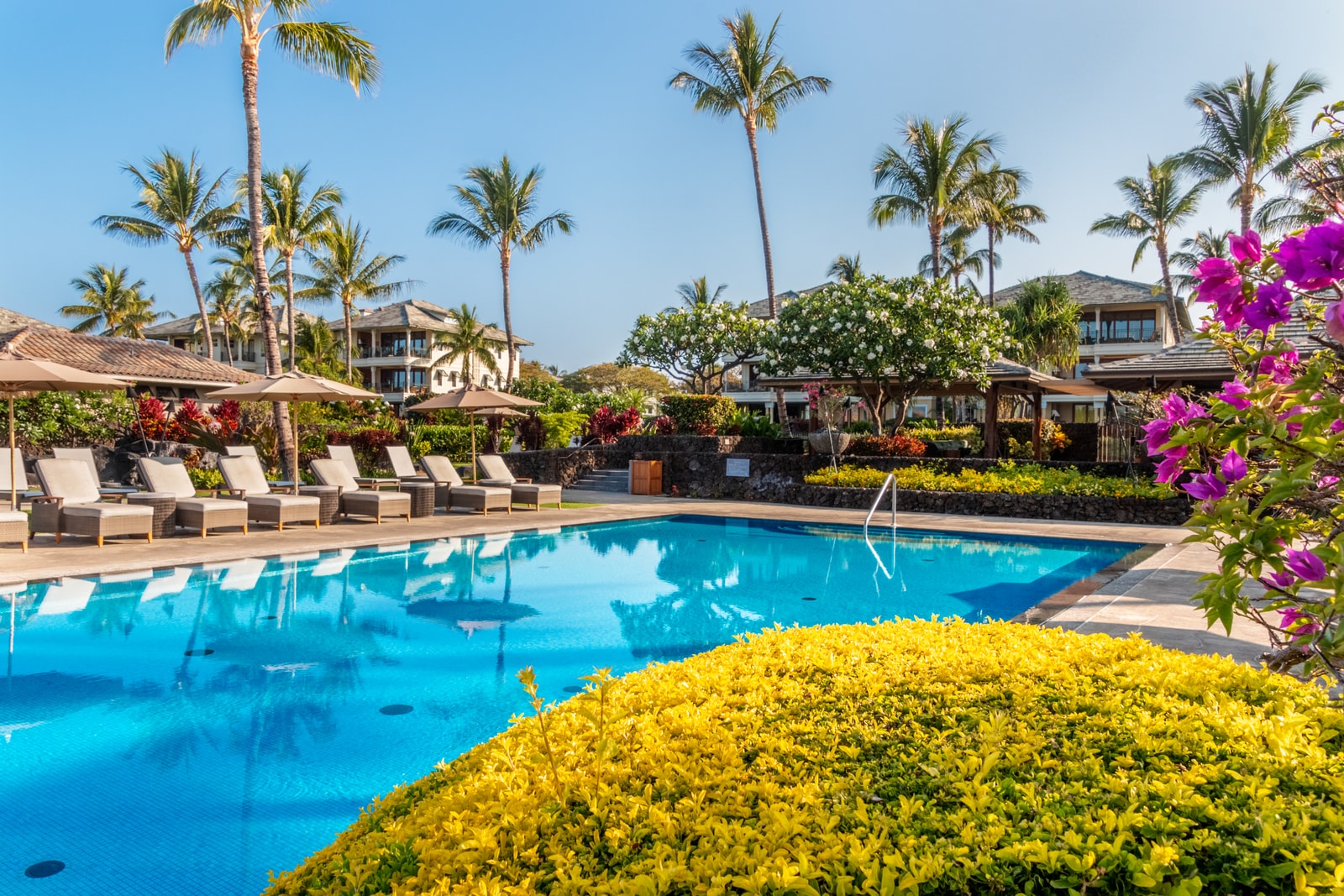
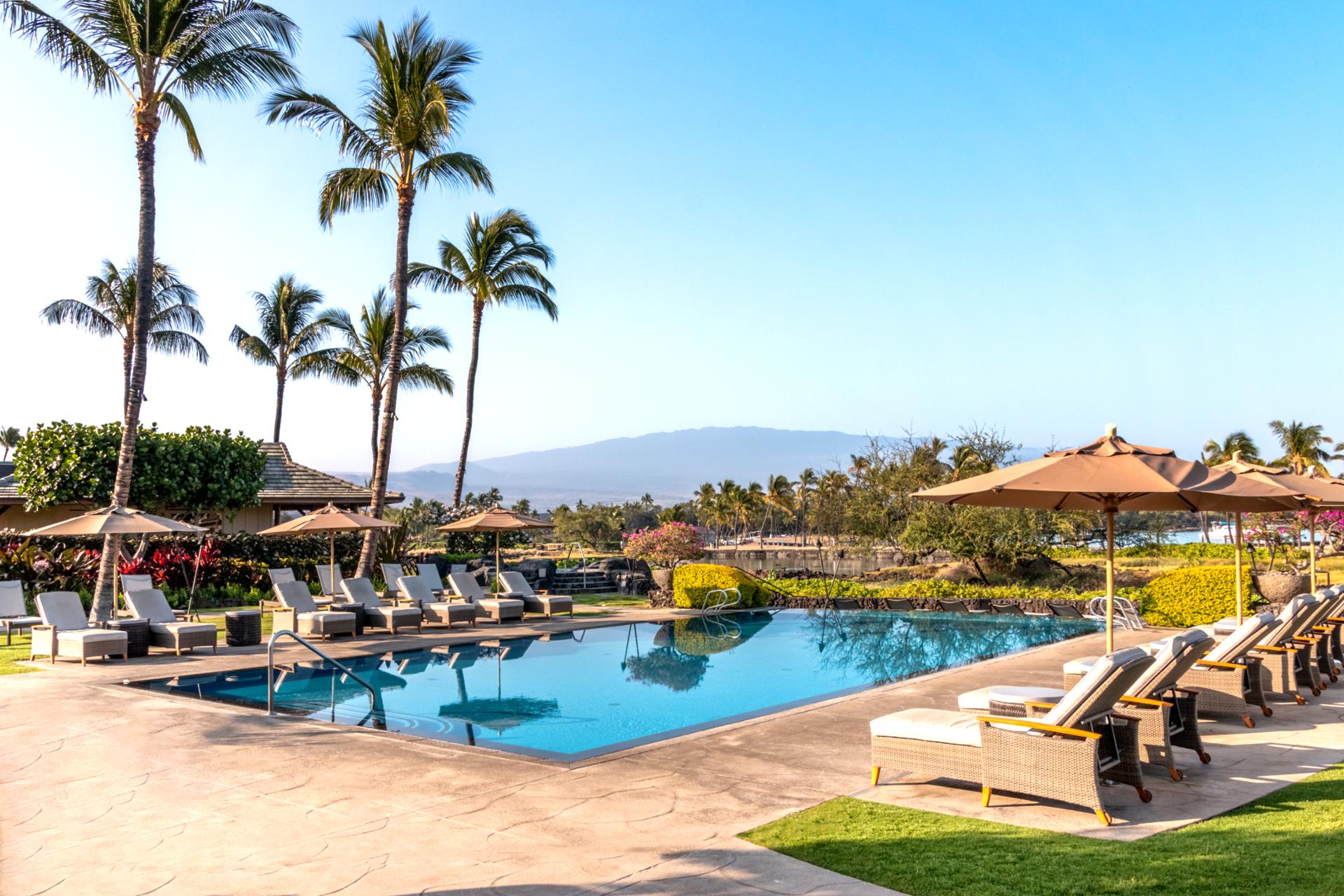
Kolea offers both private residences and two or three bedroom luxurious getaway villas, and along the edge of the water are the private residences and the Kolea Beach Club. Just in behind the homes are 66 spacious three-bedroom villas, which all offer ocean views from the second and third floors. Nestled behind these villas are 50 two-bedroom villas and 10 three-bedroom villas.

KOL 69-1000 Kolea Kai Circle
Waikoloa Village, Waikoloa, South Kohala, Hawaii, HI , US
On May 25, 2025, Kilauea once again reminded Hawaii of its fiery heartbeat with a spectacular eruption. As lava lit the skies and Pele's presence was felt across the Big Island, visitors and locals alike were drawn into the powerful dance of nature and legend. Discover the cultural significance of this event and explore three stunning KBM Resorts stays that offer a front-row seat to Hawaii's raw beauty and rich heritage.
On May 25, 2025, Kilauea, one of the world's most active volcanoes, erupted dramatically on Hawaii's Big Island. This six-hour event, the 23rd since December 2024, featured lava fountains soaring nearly 1,000 feet into the sky, illuminating the Halemaumau crater within Hawaii Volcanoes National Park. The eruption covered about half of the crater floor and released volcanic gases, including sulfur dioxide, which can form vog (volcanic smog) and pose respiratory risks to downwind communities. Additionally, the eruption produced Pele's hair--fine strands of volcanic glass that can irritate the skin and eyes.
In Hawaiian culture, such volcanic activity is deeply intertwined with the legend of Pele, the revered goddess of fire and volcanoes. Known as Madame Pele or Tutu Pele, she is believed to reside in the Halemaumau crater at Kilauea's summit. Pele embodies both creation and destruction, shaping the Hawaiian Islands through her fiery temperament. Her presence is a powerful reminder of the islands' dynamic nature and the deep respect Hawaiians have for the forces that continue to mold their homeland.
For those planning to visit the Big Island, experiencing the island's volcanic landscapes offers a unique opportunity to connect with both natural wonders and cultural heritage. KBM Resorts provides luxury accommodations that serve as ideal bases for such explorations. One notable property is Halii Kai HLI-19G, a three-bedroom condo in Waikoloa featuring luxury amenities and complimentary rental car, allowing guests to explore the island at their leisure.
Another excellent option is the Islands at Mauna Lani IML-E4, a spacious two-bedroom residence with a large lanai and garden views. This property also includes a golf cart for easy access to nearby attractions, providing a comfortable and convenient stay.
For travelers seeking oceanfront luxury, Halii Kai HLI-12A offers a two-bedroom condo with stunning ocean views and a complimentary rental car. This property combines the comforts of home with the amenities of a high-end resort, ensuring a memorable Hawaiian getaway.
Whether you're drawn by the awe-inspiring volcanic activity, the rich cultural tapestry, or the serene beauty of the Big Island, these KBM Resorts properties provide the perfect accommodations to enhance your Hawaiian experience.
Whether you’re an adventure seeker, a nature enthusiast, or someone looking to unwind, the Big Island offers something for everyone. Here are a few reasons why this destination should be at the top of your Hawaiian travel list.
The Big Island, officially known as Hawai’i Island, is the largest and most diverse island in the Hawaiian archipelago. Whether you’re an adventure seeker, a nature enthusiast, or someone looking to unwind, the Big Island offers something for everyone. Here are a few reasons why this destination should be at the top of your Hawaiian travel list.
The Big Island is home to Hawai’i Volcanoes National Park, one of the island’s most famous attractions. Visitors have the rare opportunity to witness K?lauea, one of the world’s most active volcanoes, up close. Hiking trails lead through lava fields, craters, and rainforests, making it an unforgettable experience for outdoor enthusiasts. The K?lauea Iki Trail is a must-hike, leading through lush rainforest to the dramatic crater floor, showcasing volcanic wonders.
2. Diverse Climate Zones
One of the Big Island’s unique features is its diverse climate zones. From tropical rainforests in Hilo to arid deserts near Kailua-Kona, the island offers a wide range of environments to explore. Whether you’re interested in waterfalls, black sand beaches, or snow-capped mountains like Mauna Kea, the island’s variety of landscapes will keep you captivated. Temperatures generally remain warm year-round, with cooler conditions at higher elevations, creating unique ecosystems across the island.
3. Marine Life and Water Adventures
The island’s coastline offers incredible snorkeling and diving opportunities, especially at Kealakekua Bay and Pu’uhonua o H?naunau. These waters are home to vibrant coral reefs, sea turtles, and even dolphins. If you’re visiting between November and May, you may also witness the awe-inspiring sight of humpback whales during their migration. Whale watching tours on the Big Island offer breathtaking encounters with majestic humpback whales during their winter migration. Expert guides provide insights into the whales' behaviors and habitat while ensuring a respectful distance. These tours often include stunning ocean views, making for an unforgettable adventure amid Hawaii's natural beauty.
4. Stargazing at Mauna Kea
For those interested in astronomy, the Mauna Kea Observatories offer some of the best stargazing in the world. At an altitude of 13,796 feet, this dormant volcano provides clear skies and minimal light pollution, making it a perfect spot to marvel at the stars. This high-altitude location provides clear, dark skies, making it one of the best stargazing sites in the world. The Mauna Kea Observatories are renowned for their exceptional astronomical research. Home to several powerful telescopes, the observatories contribute significantly to our understanding of the universe. Visitors can enjoy guided tours, breathtaking views, and the stunning sunset.
5. Cultural and Historical Significance
In conclusion, the Big Island is a perfect blend of adventure, natural beauty, and cultural richness. Its vast landscapes and unique activities make it an excellent destination for anyone looking to experience the true essence of Hawai’i.
The Big Island of Hawaii is a paradise of contrasts: from active volcanoes and lush rainforests to tranquil beaches and star-filled skies. The island's vast size means that there's a little something for everyone, but it can be tough to know how much time to allocate to experience the best of it. Whether you're visiting for the first time or returning to uncover more hidden gems, here’s a guide to how many days you'll need on the Big Island, plus a few essential activities and restaurants to mak
For most visitors, 5 to 7 days is the sweet spot. This gives you enough time to explore the island's diverse regions without feeling rushed. The Big Island is huge—almost twice the size of all the other Hawaiian islands combined—and each area offers something unique. A week-long trip allows you to see the highlights, experience both natural beauty and cultural history, and even relax without feeling like you're constantly on the go.
Here’s a breakdown of how you could allocate your time:
- Day 1-2: Kona & Kailua-Kona – Start your adventure on the western side of the island. This area is home to stunning beaches, historic sites, and plenty of opportunities for water-based activities.
- Day 3-4: Volcanoes National Park & Hilo – Head to the southeastern part of the island to witness the dramatic landscapes shaped by active volcanoes and explore the lush surroundings.
- Day 5-6: North Kohala & Waimea – Discover the rugged beauty of the island's northern tip and its rich cultural history. You can also take a scenic drive up to Waimea for a taste of the paniolo (cowboy) culture and lush ranch lands.
- Day 7: Rest or explore – Wind down your trip with a relaxing day at the beach or check out any sights you may have missed.
No trip to the Big Island would be complete without a visit to Hawaii Volcanoes National Park. Home to K?lauea and Mauna Loa, two of the world’s most active volcanoes, this park offers an unparalleled chance to see the forces of nature at work. You can hike through volcanic craters, visit the steam vents, and, depending on activity, possibly witness lava flowing. For a truly unforgettable experience, take the **Crater Rim Drive** to explore different geological formations and stop at the Jaggar Museum for stunning views of the volcano.
Located on the Kona Coast, Kealakekua Bay is one of the best spots on the island for snorkeling. The clear waters are teeming with marine life, including colorful fish, sea turtles, and even dolphins. You can access the bay by boat or hike the steep trail that leads down to the shoreline. For a real treat, book a **night snorkel tour** with manta rays—an experience that’s truly magical as these graceful creatures glide through the water in the dark.
For an out-of-this-world experience, don’t miss a visit to **Mauna Kea**, one of the best stargazing spots on the planet. At nearly 14,000 feet above sea level, the summit offers breathtaking views of the night sky, and the observatories on top are world-renowned for astronomical research. You can take a guided tour to the summit (be aware of altitude sickness) or simply stop at the Visitor Information Station at 9,000 feet for an amazing stargazing experience with telescopes and expert guides. The sight of the stars above and the Milky Way stretching across the sky is something you’ll never forget.
The Big Island is a land of stunning diversity, and spending 5 to 7 days allows you to experience its full range of beauty, from volcanic eruptions to tropical beaches and high-altitude stargazing. With these activities, you'll get a true taste of what the island has to offer. Whether you're seeking adventure or relaxation, the Big Island is ready to show you its magic—and once you’ve had a taste, you’ll undoubtedly want to return.
Are you planning a trip to the Big Island? Let me know what you’re most excited to experience, and check out all of the properties we offer across the island here.
The Big Island of Hawaii is a place of diverse landscapes, from lush rainforests to arid deserts, but there is one experience that stands above the rest, drawing visitors from around the globe—Volcanoes National Park. While the island boasts numerous attractions, none quite compare to the majesty and power of the active volcanoes that make this national park a must-see. If you’re wondering what to do on the Big Island, here’s why exploring Volcanoes National Park should be at the top of your lis
The Big Island is home to two of the world’s most active volcanoes, Kilauea and Mauna Loa, and Volcanoes National Park offers an up-close look at both. As you drive through the park, you’ll feel as though you’re entering another world entirely—one defined by smoking craters, ancient lava tubes, and the raw, primal force of the Earth’s volcanic activity.
The park is a UNESCO World Heritage site, not just for its geological significance, but for its cultural importance to native Hawaiians. It holds deep spiritual meaning, as K?lauea is considered the home of Pele, the Hawaiian goddess of fire, lightning, wind, and volcanoes. Visiting the park is like stepping into a sacred realm, where the island’s power and beauty are on full display.
One of the best ways to experience the park is to hike through its trails. Whether you're an avid hiker or just looking for an easy stroll, Volcanoes National Park offers something for everyone.
Crater Rim Drive: This scenic drive will take you around the summit caldera of Kilauea, where you can see active steam vents, sulfur banks, and expansive views of the crater. Depending on volcanic activity, you may even see glowing lava at night.
Devastation Trail: This relatively easy hike takes you through a landscape shaped by the 1959 Kilauea Iki eruption. It’s a short, accessible walk where you can witness the aftermath of a lava flow and see how nature is reclaiming the land.
Kilauea Iki Trail: A more challenging hike that leads you through a lush rainforest and down into a massive volcanic crater that last erupted in 1959. As you descend into the crater, you’ll pass steam vents and observe the stark contrast between the vibrant greenery and the hardened lava below.
For those seeking a truly unforgettable experience, hiking out onto cooled lava flows or venturing through lava tubes provides a hands-on way to witness the Earth's transformative forces at work.
What makes Volcanoes National Park especially captivating is the ever-present possibility of witnessing the raw power of an active volcano. Though Kilauea’s eruptions have been relatively gentle in recent years, the sight of flowing lava and the sound of bubbling craters is awe-inspiring. In recent years, the park has had lava activity that has captured the world’s attention. Depending on the time of your visit, you might have the opportunity to see glowing lava flowing into the ocean, or hear the rumblings of the volcano as it shifts and evolves.
For a unique experience, consider visiting the park at night. As the sun sets, the glow from Kilauea’s caldera is visible from miles away, and the park’s steam vents take on an ethereal glow under the moonlight. It’s an experience that is unforgettable and feels as though you’re witnessing the birth of the Earth itself.
Another highlight of Volcanoes National Park is the Thurston Lava Tube, a fascinating underground tunnel formed by lava that once flowed through it. This easily accessible trail takes you through a lush rainforest before reaching the lava tube, where you can walk through a hollowed-out, cave-like structure. The tube is lit with soft lighting, which makes for a magical and surreal experience as you journey through its cool, dark interior.
Exploring lava tubes gives you a physical connection to the volcanic past of the island, as these formations are remnants of ancient eruptions. The largest lava tube on the island, Nuhuku, is just a short hike from the Thurston Lava Tube, offering visitors a chance to walk deep into the heart of the volcanic landscape.
Volcanoes National Park isn’t just about geological marvels—it’s also a place to learn about Hawaiian culture and history. The park features several educational exhibits, including the Jaggar Museum, which showcases the science of volcanoes and the role they play in shaping the island. You can learn about the deep cultural connection Hawaiians have with the land, and how volcanoes have shaped their traditions, mythology, and daily lives.
As you visit the park’s many viewpoints and trails, you can reflect on the importance of Pele to the Hawaiian people. Many believe that the goddess’s spirit resides in the volcanic craters, and her presence is felt throughout the park.
Volcanoes National Park is open year-round, and the best time to visit depends on what kind of experience you're seeking. If you want to see lava activity, check with the park before you go, as volcanic eruptions can change the landscape dramatically. Regardless of when you visit, be sure to check out the Kilauea Visitor Center, where you can gather up-to-date information, safety tips, and maps to help guide you on your adventure.
While the Big Island is filled with a variety of attractions—from pristine beaches to stunning waterfalls—nothing compares to the awe-inspiring experience of Volcanoes National Park. Whether you're marveling at active lava flows, hiking through steam vents, or immersing yourself in the rich history and culture of the island, this national park will leave you with memories that will last a lifetime. It’s a reminder of the island’s living, breathing nature, and the ever-changing beauty of our planet. So, if you’re looking for the #1 thing to do on the Big Island, make sure to carve out time to explore the volcanic wonders of Volcanoes National Park.
The Big Island of Hawaii is a land of diverse landscapes, rich history, and incredible natural beauty. With its volcanic mountains, lush rainforests, and pristine beaches, it offers a unique experience compared to the other Hawaiian islands. But when it comes to planning your trip, a common question arises: Which side of the Big Island is better to visit? The island is divided into two primary regions — the Kona side (west) and the Hilo side (east) — each with its own distinct charm. While both
The Kona side, also known as the Kona Coast, is known for its sunny weather, beautiful beaches, and relaxed atmosphere. It's the more developed and tourist-friendly part of the island, making it the go-to destination for many visitors. If you're dreaming of a vacation filled with tropical sunshine and luxury resorts, this is the side of the Big Island you'll want to explore.
On the opposite end of the Big Island is the Hilo side, known for its lush landscapes, dramatic waterfalls, and more temperate climate. This region tends to be wetter than Kona, but that just means it’s a vibrant, green paradise full of botanical gardens and natural wonders. Hilo is also the gateway to Hawaii Volcanoes National Park, making it a hub for adventure and exploration.
Both sides of the Big Island offer incredible experiences, so choosing which side to visit depends on your interests. Here’s a quick breakdown:
Visit the Kona side if you’re looking for:
Visit the Hilo side if you’re interested in:
While each side of the Big Island has its own personality, the beauty of the island is that you don’t have to choose just one! Many visitors opt for a split stay, spending a few days on the Kona side for sun and relaxation, and a few days on the Hilo side for exploration and adventure. The island’s relatively short distances make it easy to travel from one side to the other, so you can experience the best of both worlds. Don't forget to check out all of our options for where to stay on the Big Island here!
No matter which side you visit, the Big Island’s stunning landscapes, rich culture, and endless adventure will surely make for an unforgettable trip. So pack your bags and get ready to explore this Hawaiian paradise!
Restaurant recommendations and activities for the Kohala Coast and Waikoloa.
Brown's Beach House at Fairmont Orchid
1 North Kaniku Dr, Kohala Coast, HI 96743
Phone: (808) 887-7320
Hours: Daily 5:30-8:30 PM
Fresh island-inspired cuisine with live Hawaiian music and spectacular sunset views.
Lava Lava Beach Club
69-1081 Ku'ualii Pl, Waikoloa, HI 96738
Phone: (808) 769-5282
Hours: Mon-Fri 11:30 AM-9 PM, Sat-Sun 11 AM-9 PM
Toes-in-the-sand dining on Anaeho'omalu Bay with tropical cocktails and Hawaiian fusion cuisine.
Roy's Waikoloa Bar & Grill (250 Waikoloa Beach Dr, (808) 886-4321, daily 4:30-8:30 PM) — Hawaiian fusion by celebrity chef Roy Yamaguchi. Pueo's Osteria (68-1820 Waikoloa Rd, (808) 339-7566, daily 4:30-9:30 PM) — Fresh Italian with local Hawaiian ingredients.
Anaeho'omalu Bay (A-Bay) — White sand beach with calm waters, kayak/paddleboard rentals, and sunset cruises. Dolphin Quest at Hilton Waikoloa Village — Interactive dolphin encounters in a beautiful lagoon setting.
Waikoloa Petroglyph Preserve — Ancient rock carvings, easy walk from King's Shops. Pu'ukohola Heiau National Historic Site — Sacred temple built by King Kamehameha I, 20 minutes north of Waikoloa.